





Oak-Framed Buildings
Oak-Framed Buildings, Rupert Newman, The Guild of Master Craftsmen Publications, 2014, 192 pages, paperback.
Who better to author a book on new oak-framed buildings than a carpenter who has dedicated his professional life to the craft of traditional timber framing? Rupert Newman has a degree in naval architecture but realised at an early stage that his true passion lay in building oak structures. He has captured his 30 years of experience in the pages of this book, first published in 2005 and recently revised. Newman’s writing style is conversational and it is an easy book to dip in and out of, helped by being well illustrated across its 190 pages. Aimed largely at carpenters and self-builders, this is not a book on the conservation of historic structures.
The book starts with a brief history of the timber frame, sufficient to give context to what follows. Next comes a chapter aimed squarely at the self-builder, detailing the things those embarking on their own project should consider. There is a comprehensive chapter on the structural design of a timber frame, which is equally applicable to understanding historic timber structures. Computer-generated diagrams and corresponding photographs support the text and help clearly explain structural details and principles. The characteristics of oak as a material are covered, including shrinkage and defects, and the author’s enthusiasm for working oak using traditional methods is well conveyed.
The chapters on the making and raising of frames are where the book excels. Newman’s years of experience, coupled with extensive photographs of carpenters at work, bring the pages to life. The power tools pictured are 21st century, but the techniques and jointing methods are medieval. Newman explains his craft in great detail as only a carpenter could. For example, he takes the reader through the method he uses to scribe two pieces of timber to form the perfect joint. Here the reader is in the mind of the carpenter, understanding the process of transforming the hewn oak pieces into a single entity with structural integrity.
We learn that a skilled carpenter thinks about the position and orientation of the heartwood in every piece of timber. For example, soleplates are faced with the heart pointing down and out of the building in anticipation that the weight of the building when fully erected will flatten them out. Building traditional timber frames is a skill practiced by few and we should be thankful that a carpenter has taken time to record all that he knows.
Raising of the frame is fully described, with practical insight into the techniques employed, both traditional and modern. The terminology is fascinating. Hand raising using gin poles is explained, with the sequence of assembly through to final pegging up. A skip though the latest options for cladding and glazing frames brings the reader back to the 21st century, with useful tips on detailing to accommodate shrinkage in the frame.
The book is likely to be most useful to carpenters, self-builders and designers wanting to understand more about constructing new oak framed buildings in the traditional style. Those wanting to learn about the maintenance and repair of historic timber framed buildings should look elsewhere, but for anyone interested in how such buildings might have been constructed the book is an informative read.
This article originally appeared as ‘From gin poles to pegging up’ in Context 140, published by the Institute of Historic Building Conservation (IHBC) in July 2015. It was written by Simon Malam, accredited conservation architect, Donald Insall Associates.
--Institute of Historic Building Conservation
Related articles on Designing Buildings
IHBC NewsBlog
IHBC sponsors Gardens Trust event 23-4 Sept 2026
.jpeg)
'Learning from the Past, Shaping the Future’ takes place in Milton Keynes
Renovations to Frank Lloyd Wright's Fallingwater complete
.jpg)
World Heritage Preserved project opens house for tours again
Shakespeare Birthplace Trust places Hall's Croft on HAR Register
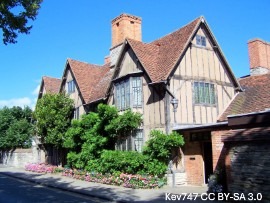
Stratford-upon-Avon home of Shakespeare's daughter is 'At Risk'
Lady Grange’s House repaired on St Kilda
.jpg)
National Trust for Scotland repairs stone cleit with link to famous island resident
Griff Rhys Jones on BBC Radio 4 Today programme
,_Green_Lane,_Derby.jpg)
The Victorian Society’s President unveiled its latest Top Ten Endangered Buildings 2026.
Need a MATE? Book your place now.

IHBC offers free webinars on applying for IHBC accreditation (Full & Associate).
UK Stained Glass Repository finds windows new homes
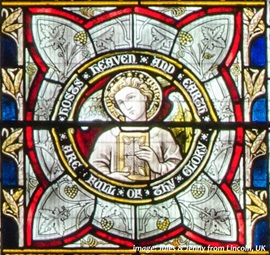
How are stained glass windows are rescued, stored and repurposed?
APPGEBE report sets high aims for quality
'Government must not sacrifice quality in drive to build 1.5m homes'
New measures protect Historic Shipwrecks from heritage crime

Underwater cultural heritage benefits from new HE guidance
How could the City of London skyline look in 6 years' time?

Visualisation shows approved planning applications as completed buildings
National Trust for Scotland calls for VAT cuts

Heritage neglect is encouraged by current policies
IHBC's 'Context' Issue 186 features Industrial Heritage

IHBC's members' journal reports on the challenges of conserving infrastructure
Book now for IHBC Annual School 2026

IHBC Annual School is taking place 18-20 June 2026 in Newcastle
RICHeS Research Infrastructure offers ‘Full Access Fund Call’
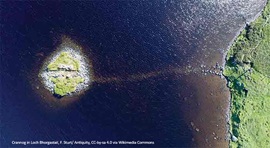
RICHeS offers a ‘Help’ webinar on 11 March
Latest IHBC Issue of Context features Roofing
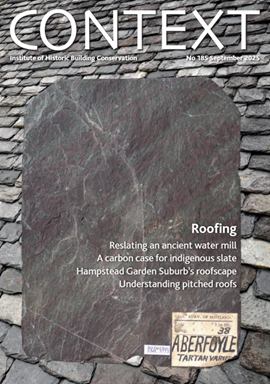
Articles range from slate to pitched roofs, and carbon impact to solar generation to roofscapes
Three reasons not to demolish Edinburgh’s Argyle House

Should 'Edinburgh's ugliest building' be saved?
IHBC’s 2025 Parliamentary Briefing...from Crafts in Crisis to Rubbish Retrofit
IHBC launches research-led ‘5 Commitments to Help Heritage Skills in Conservation’
How RDSAP 10.2 impacts EPC assessments in traditional buildings

Energy performance certificates (EPCs) tell us how energy efficient our buildings are, but the way these certificates are generated has changed.